You cannot automate trust.
You have to design it.
An executive AI governance and strategic advisory practice for institutional leaders. Falkovia advises on consequential AI decisions and designs the governance infrastructure, decision rights, and human authority structures that determine whether AI strengthens or destabilizes a regulated institution. Confidential engagements that produce board-ready architecture.
Dr. Tiffany Masson, Psy.D. Founding University President. Clinical and Forensic Psychologist. CEO, Falkovia.
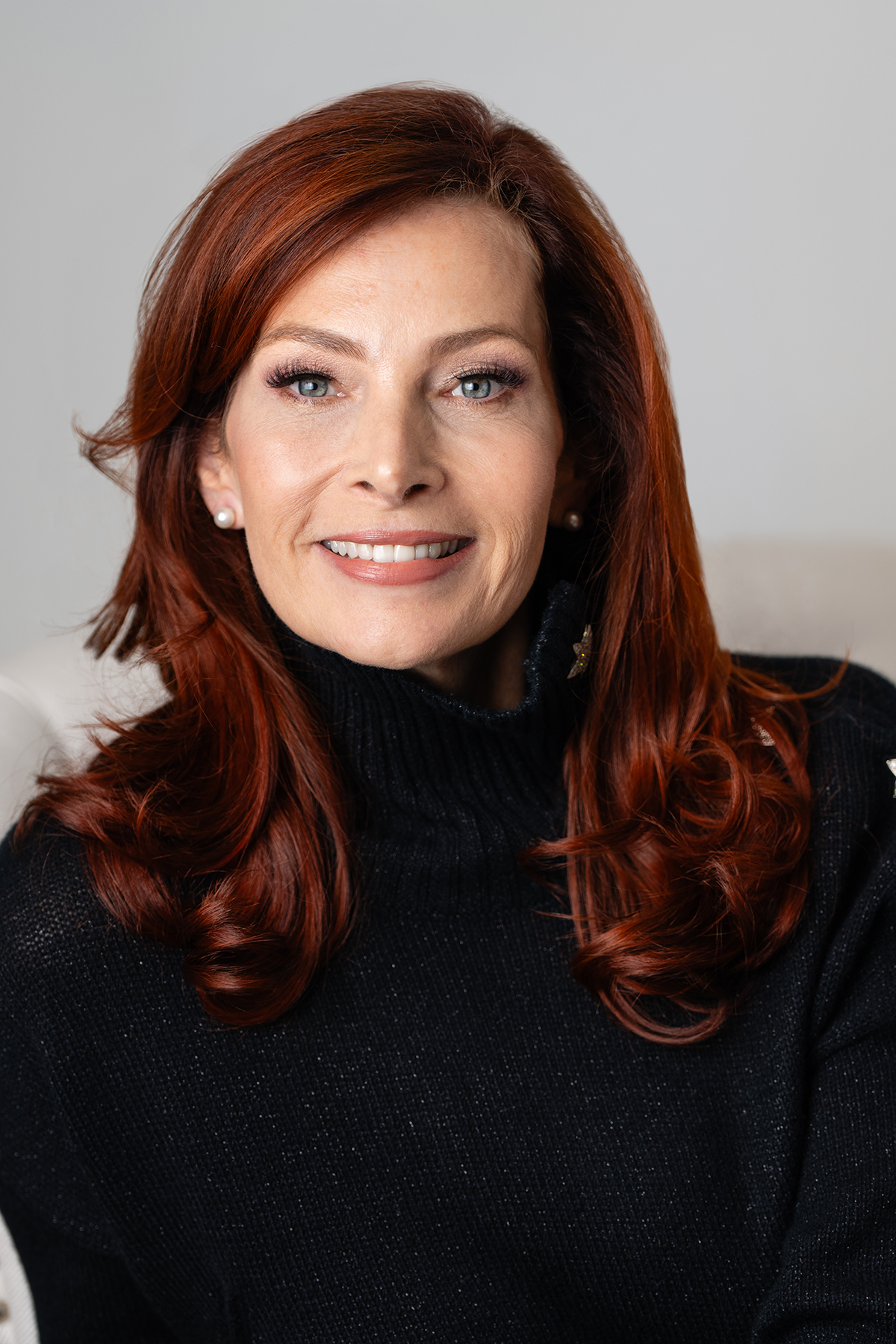
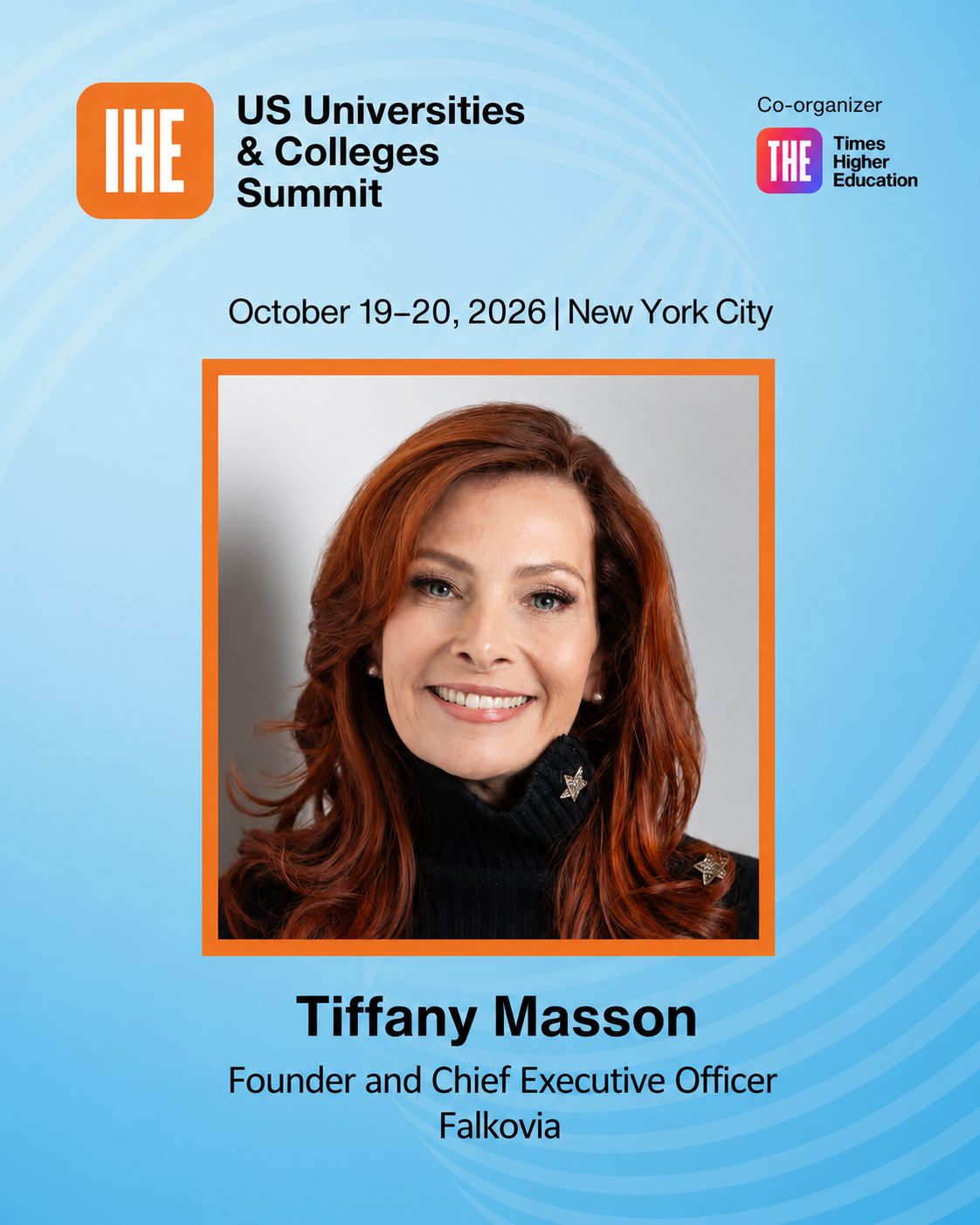
Falkovia is a content partner of the IHE US Universities Summit, where Dr. Tiffany Masson is moderating "What does it mean to be an AI-informed college president?" on October 19-20, 2026, in New York City.
Leadership architecture for AI governance
AI adoption is 10 percent technology. It is 90 percent human architecture.
Most AI advisory starts with models, vendors, and tools. Falkovia starts with the structural conditions that actually determine outcomes: who holds decision authority, where the Human Authority Line™ is drawn, and whether governance can withstand scrutiny from your board, regulators, and accreditors.
The work produces documented, board-ready governance architecture your leadership team owns from day one.
See how the engagement worksFalkovia's G.U.A.R.D. Framework™ produces AI governance architecture defensible under regulatory, fiduciary, and accreditation scrutiny. Built by a forensic psychologist and founding university president for executives in healthcare, higher education, and investment. Architecture your leadership team owns from day one. Built to hold.
No dependency. That is the design.Falkovia engagements are built on a library of named instruments. Three anchor the practice.
G.U.A.R.D. Framework™
Five-dimension governance frame (Governance, Understanding, Authority, Reputation, Design). The structural model that evaluates whether AI governance holds under pressure.
Human Authority Line™
Documented boundary where algorithmic recommendation ends and human judgment must remain non-delegable.
The AI Trust Blueprint™
Foundational framework for executives building AI governance architecture that holds under scrutiny.

Healthcare systems
AI is embedded in clinical workflows, diagnostics, and documentation. Falkovia designs the clinical authority structures, decision rights, and override protocols that healthcare leadership teams need before regulatory or patient safety events force the question.
ExploreHigher education
AI is shaping financial aid, retention, and faculty workflows while accreditation bodies issue AI-specific oversight policies. Falkovia designs the academic authority structures and faculty alignment frameworks that institutional leaders need before the next review cycle.
ExploreInvestment Firms
The AI risk in a portfolio company is not in the model. It is in the human governance architecture that standard technical diligence never examines. Falkovia works with private equity and venture capital firms, providing pre-acquisition governance diligence and post-acquisition architecture for portfolio companies in regulated sectors.
Explore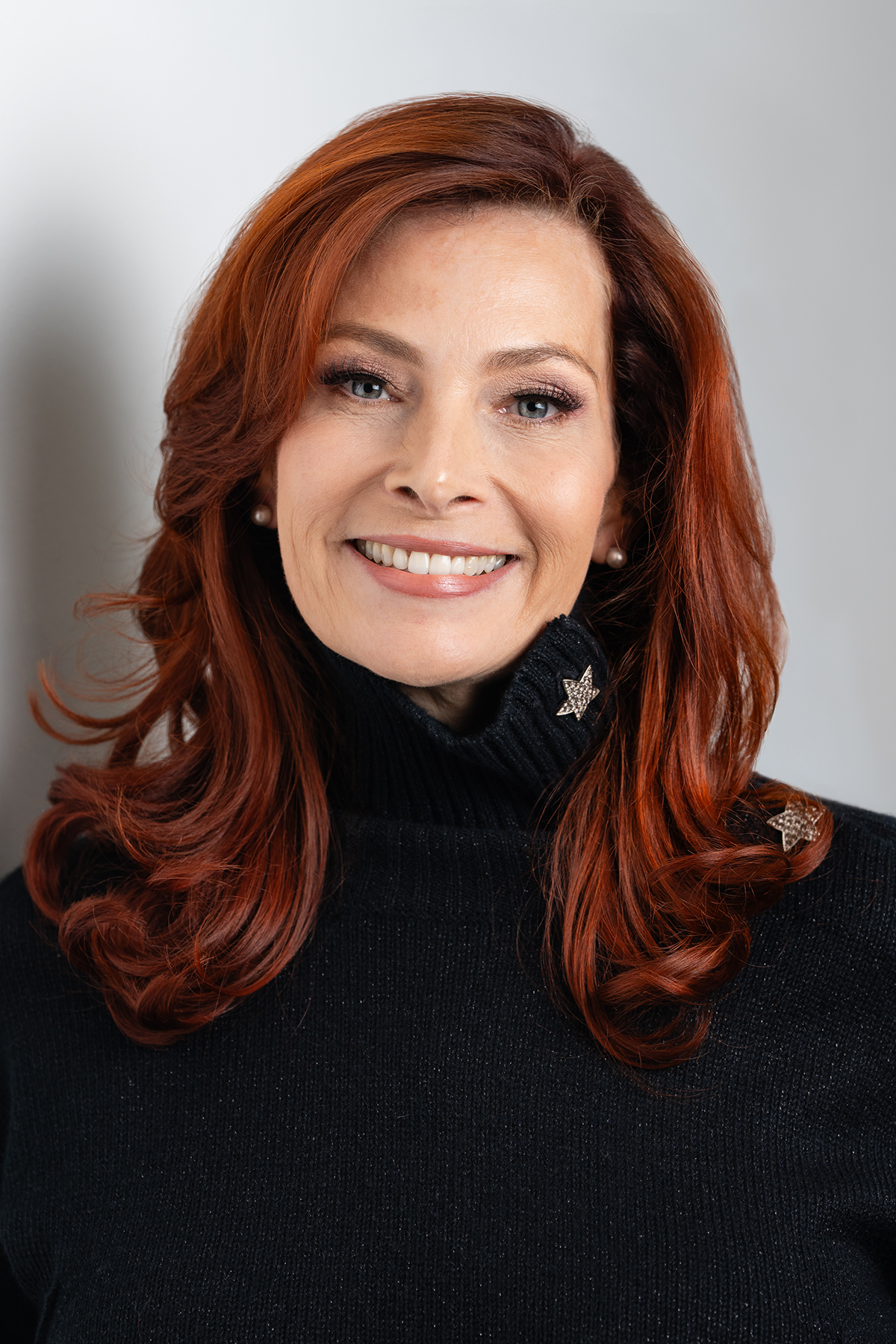
Dr. Tiffany Masson, Psy.D.
Dr. Masson built a medical school from the ground up, designing governance structures, accreditation strategy, and executive operating infrastructure under conditions where one governance failure could end the institution. That experience is the entire basis of this practice.
Read moreWhat is AI governance, and why does it matter now?
AI governance is the set of policies, controls, and oversight an organization puts around how it uses AI. I design that architecture in full: the decision rights, authority structures, and oversight that hold up to a board, a regulator, or an accreditor, anchored to the recognized standards like NIST and ISO. What makes mine hold is the foundation it is built on. Policies and platforms are the visible layer, but they only work if the human architecture is designed with them: who has real authority over an AI system, who can override it, who is accountable when it is wrong, and whether the people meant to use it trust it. The 2025 research from MIT and Harvard is consistent that this human layer, not the model, is where AI succeeds or fails. Most governance treats it as an afterthought. I design it as the foundation, which is what makes the whole architecture hold.
What makes Falkovia different from other AI governance advisors?
Most AI governance advisors come from technology or compliance. I come from the human side, where the research says AI actually succeeds or fails. I am a clinical and forensic psychologist and a founding university president who built a medical school from the ground up. I design the human architecture that determines whether AI works: trust, decision authority, the Human Authority Line™, and accountability that holds under scrutiny. And every engagement is built to end, with your team owning the architecture rather than depending on me to keep it standing.
Who does Falkovia work with?
Healthcare systems, universities, and investment firms. The regulated institutions where an AI misstep is not just an operational problem but a reputational, accreditation, or fiduciary one. Engagements are led directly by Dr. Tiffany Masson, a clinical and forensic psychologist and founding university president.
Is an engagement confidential?
Yes. Every engagement is confidential and fixed in scope. Falkovia does not publish client names or institutional details without explicit written permission.
Why do executives and employees see AI so differently?
Because they are looking at different risks. Leaders authorizing a rollout tend to trust the technology and focus on its upside. The people doing the work see what it does to their judgment, their expertise, and their standing, and many quietly route around it while reporting that they use it. The gap is largest where it is least visible, at the top, and it is where adoption stalls and value leaks. Reading that gap, and designing for it before deployment, is the human architecture work. It is also why this is a leadership and psychology question before it is a technology one.
The Blind Spot
For those who make, advise on, or invest in AI decisions that carry institutional, financial, or reputational risk.
Subscribe to The Blind SpotThe governance architecture your institution needs exists.
Every engagement begins with a confidential conversation about what your institution actually needs.
Start a Confidential Conversation